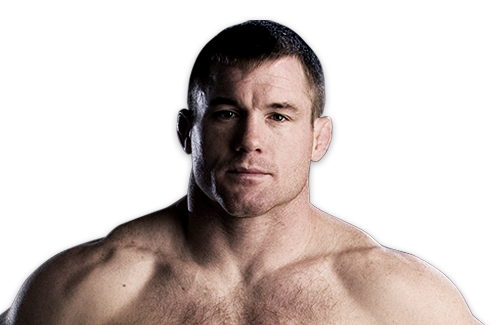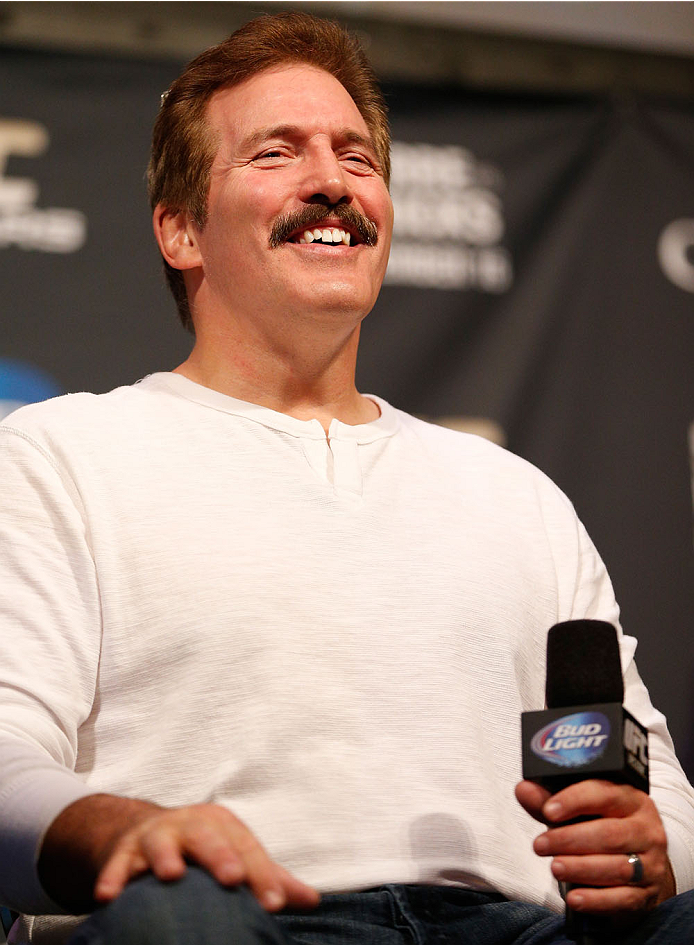
Royce Gracie
15-2-3
About
Royce Gracie is the Gracie family pioneer who proved Brazilian jiu-jitsu's dominance by winning the first three UFC tournaments against larger opponents, revolutionizing mixed martial arts and earning UFC Hall of Fame status.
See moreSee less
Royce Gracie is the fighter who answered the question: what if a small, skinny jiu-jitsu specialist walked into a cage with no rules, no weight classes, and no time limit, facing a tournament of larger opponents from boxing, karate, wrestling, and kickboxing? On November 12, 1993, he did exactly that at UFC 1 in Denver and won the entire eight-man tournament in one night, submitting three opponents and earning $50,000 and the inaugural UFC championship belt. The Gracie family had orchestrated the event itself to showcase their art, and they chose Royce deliberately for his unassuming frame: if he could win, it would prove technique transcended athleticism.
Royce's path through those early tournaments remains the most influential proof of concept in combat sports history. He defeated Ken Shamrock via rear-naked choke in the UFC 1 semifinal, a wrestler with submission credentials who would later claim the gi gave Royce an unfair edge. He won UFC 2 four months later, dispatching four opponents in a single night, including a submission of Remco Pardoel with a lapel choke while wearing gi. He returned to claim UFC 4 in 1994, submitting Dan Severn, a Pan-American gold medalist wrestler, in the final. By tournament number three, Royce had faced Ken Shamrock again in a 30-minute superfight at UFC 5, a grueling stalemate that ended in a draw and redefined both fighters' legacies not as rivals but as equals in a new form of combat.
Royce's signature was patience, positional control, and a mastery of the submission from the back and mount: rear-naked chokes, triangles, armbars, lapel chokes. He was not a striker. He was not explosive. He was a technician who took his time, controlled distance and position, and finished opponents with economy of motion. His fights were often slow, methodical, and unglamorous by modern standards, but they proved something seismic: that ground fighting and grappling could defeat any martial art in an open-rules fight.
After his dominance in the early UFC, Royce competed abroad in PRIDE Fighting Championships and other promotions, including a legendary 90-minute bout against catch wrestler Kazushi Sakuraba in 2000. His final UFC appearance came at UFC 60 in 2006, when he was knocked out by rising welterweight Matt Hughes in the first round, a brutal reminder that the sport had moved on. Royce was inducted into the UFC Hall of Fame in 2003, the first honoree alongside his old rival Ken Shamrock. Though officially retired, Gracie remains active in MMA culture and continues to represent the pure jiu-jitsu ethos that revolutionized the sport. His 15-2-3 record across multiple promotions understates his true impact: he did not just win fights, he proved a thesis that remade combat sports forever.
Why fans love Gracie
Royce embodied the underdog ethos and the pure pursuit of martial excellence. He was not the most physically imposing Gracie, but his technical precision, composure under pressure, and respect for opponents (including his sportsmanship with Shamrock after their matches) made him beloved. Fans respect his willingness to face opponents with different skill sets and larger bodies, his lack of trash talk, and his role in democratizing jiu-jitsu knowledge by proving it worked at the highest level. His legacy as the first, most influential pioneer of modern MMA inspires deep affection among longtime fans.