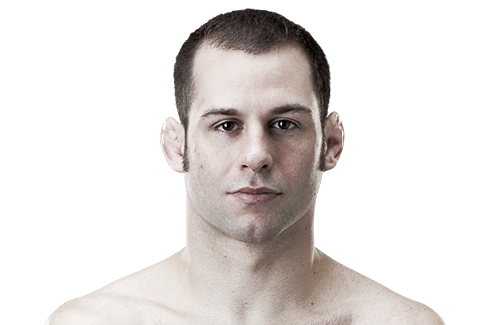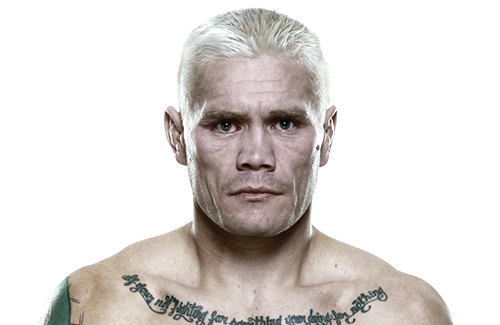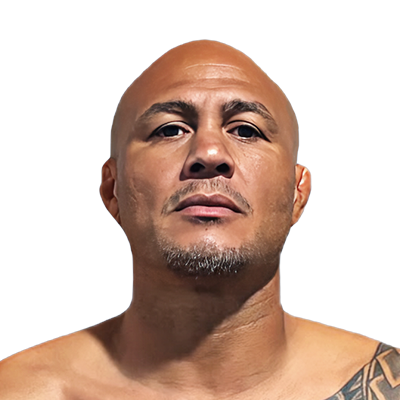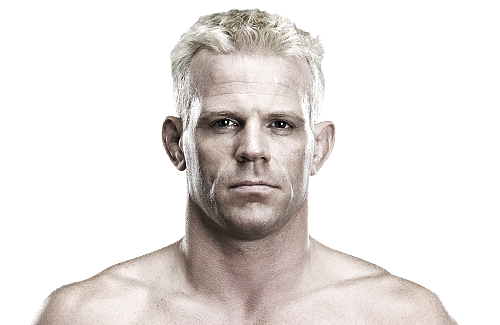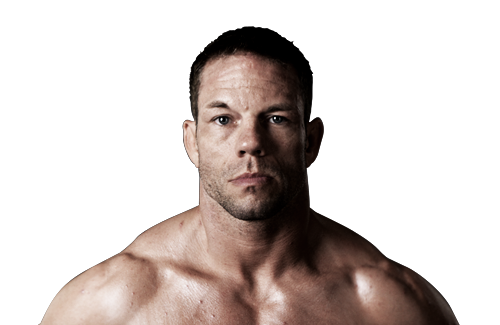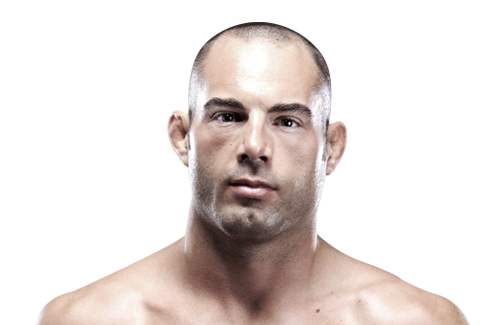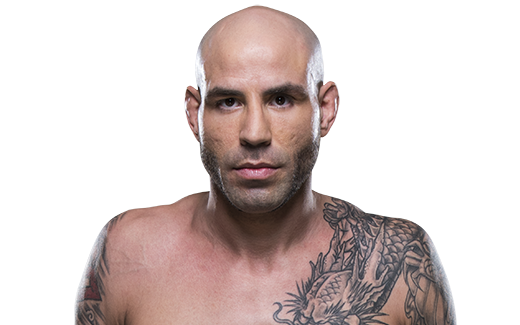
Ben Saunders
22-13-2
About
Veteran welterweight striker known for devastating Thai clinch knees, a journeyman who's competed across the UFC, Bellator, and regional circuits since 2004.
See moreSee less
Ben Saunders is a welterweight veteran whose career arc mirrors the journeyman fighter's grind: early flash, mid-career attrition, a second wind, and the slow fade. Born in Fort Lauderdale in 1983, Saunders worked his way into combat sports through Tang Soo Do and Jeet Kune Do as a kid, training around his family's financial constraints, and eventually caught the UFC's eye as a cast member on The Ultimate Fighter. His early run was marked by showcase finishes and comparisons to Anderson Silva for his lethal Thai clinch work, most memorably when he became the first fighter to knock out Marcus Davis with a clinic of knees in 2009. Losses to top contenders Jon Fitch and Dennis Hallman led to his first release in 2010, but Saunders bounced back through Bellator and regional circuits, eventually returning to the UFC in 2014.
In the octagon, Saunders was an aggressive, clinch-heavy striker who could land brutal knee combinations and had solid submission credentials (armbar, omoplata, arm-triangle). He was a high-output fighter but not especially defensively sound, and his chin seemed to worsen with age. Over his second UFC run (2014-2019), he accumulated several more fight bonuses, notably the TKO over Jake Ellenberger and the Fight of the Night loss to Alan Jouban, proving he could still deliver fireworks in his mid-30s. But the losses mounted against younger, sharper competition, and his last bout, a knockout loss to Matt Brown at UFC 245 in December 2019, led to his release and the end of his tenure with the promotion.
Saunders' appeal lies in his authenticity: a fighter who rose from poverty, showed no pretense, and fought anyone asked of him for nearly two decades. His style was never boring when it connected, and his willingness to keep grinding and evolving his game long past his peak earned respect in the community. He is the archetype of the journeyman welterweight, a name that pops up in veteran discussions not because he held belts but because he was always there, always dangerous, and always ready.
Why fans love Saunders
Saunders carried the humble, blue-collar narrative of a fighter who trained from childhood out of poverty and earned his shot through determination. His striking, especially the Thai clinch, was artful and devastating when it landed. He was willing to take on anyone, moved up in competition, and showed no ego or trash talk in the sources.